Science
Science
The Science subject leader at Priory Lane Community School is Mrs Lauren Franco.
The Science subject governor is Mrs Jessica Altoft
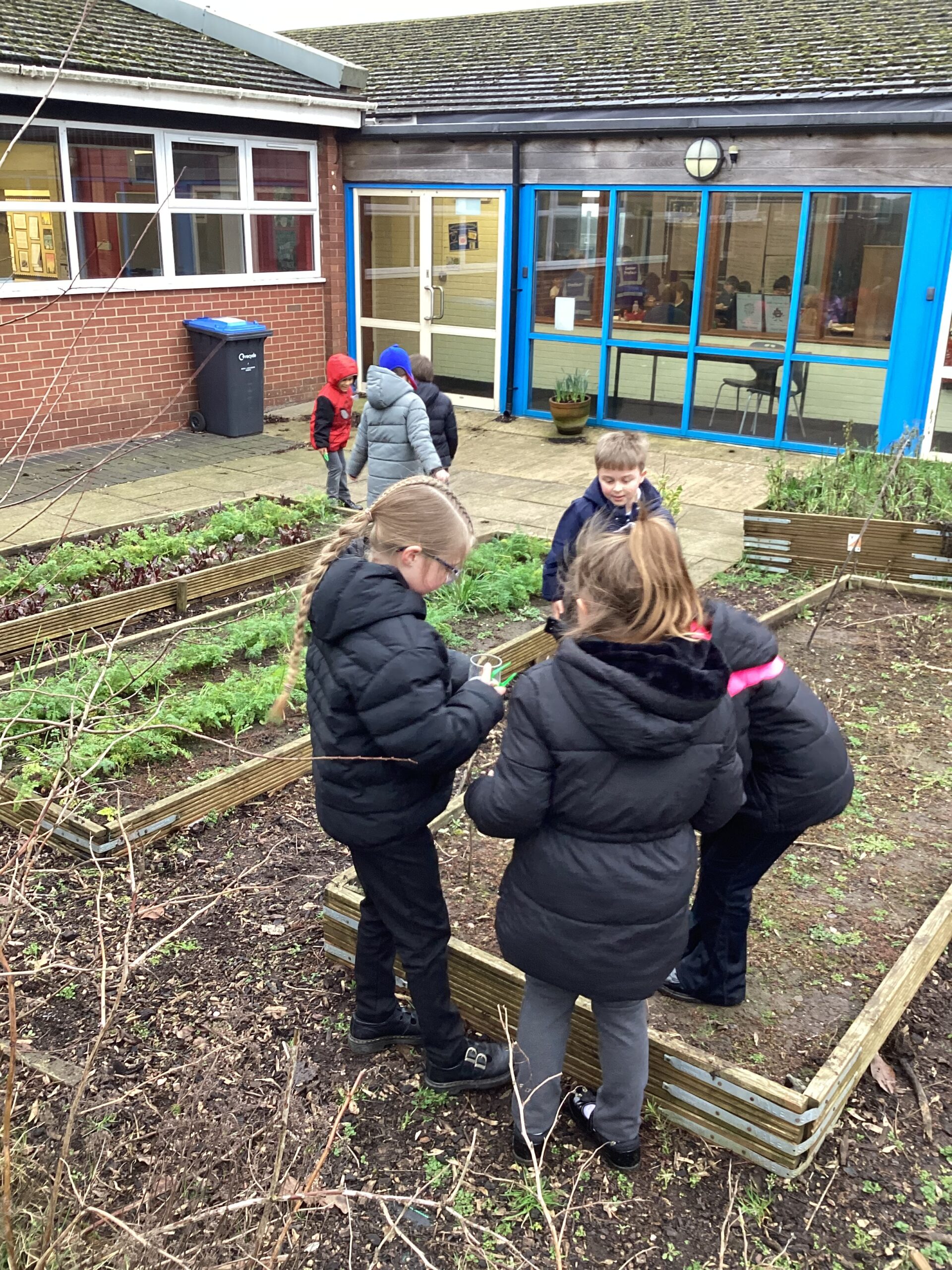
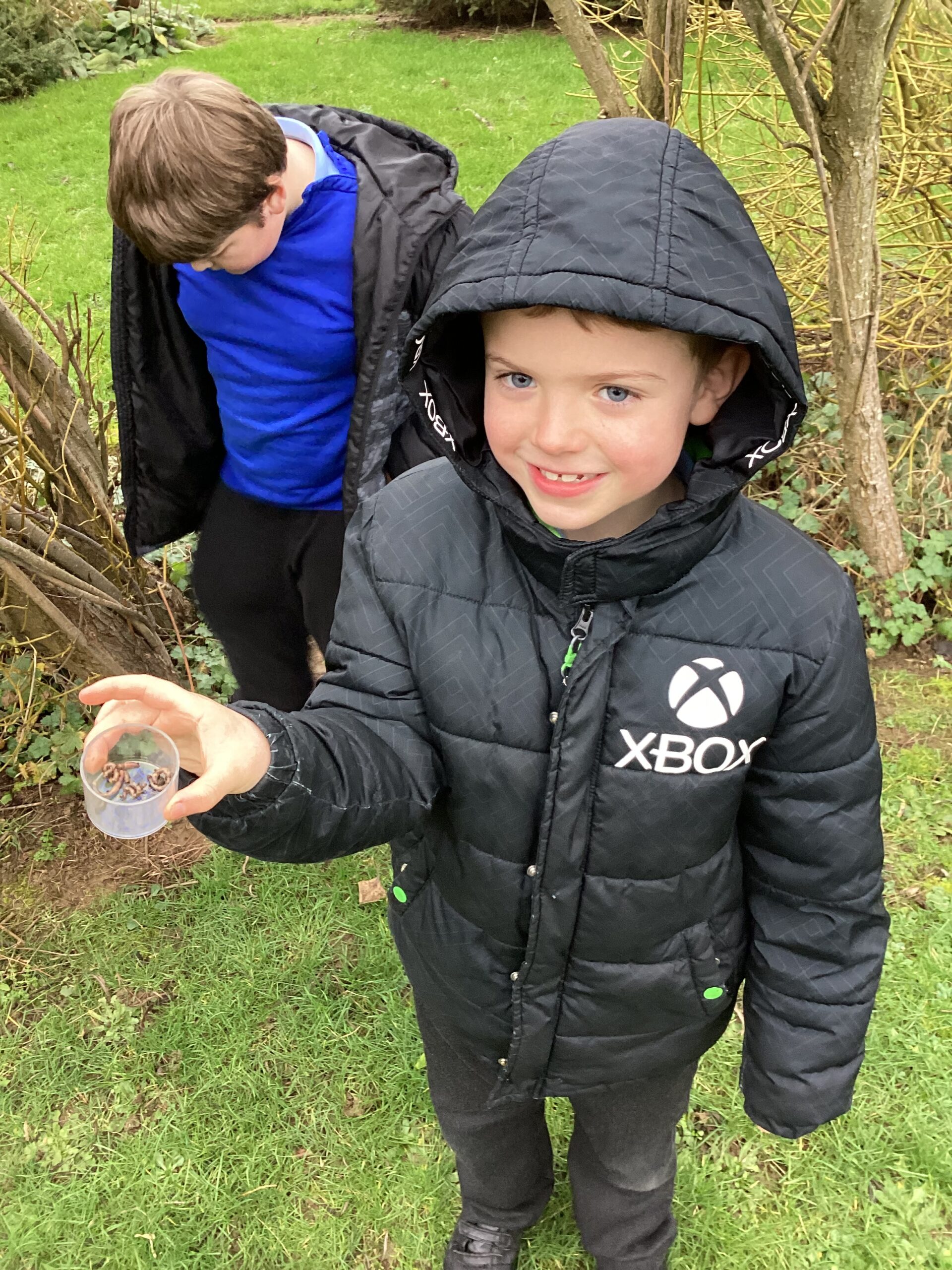
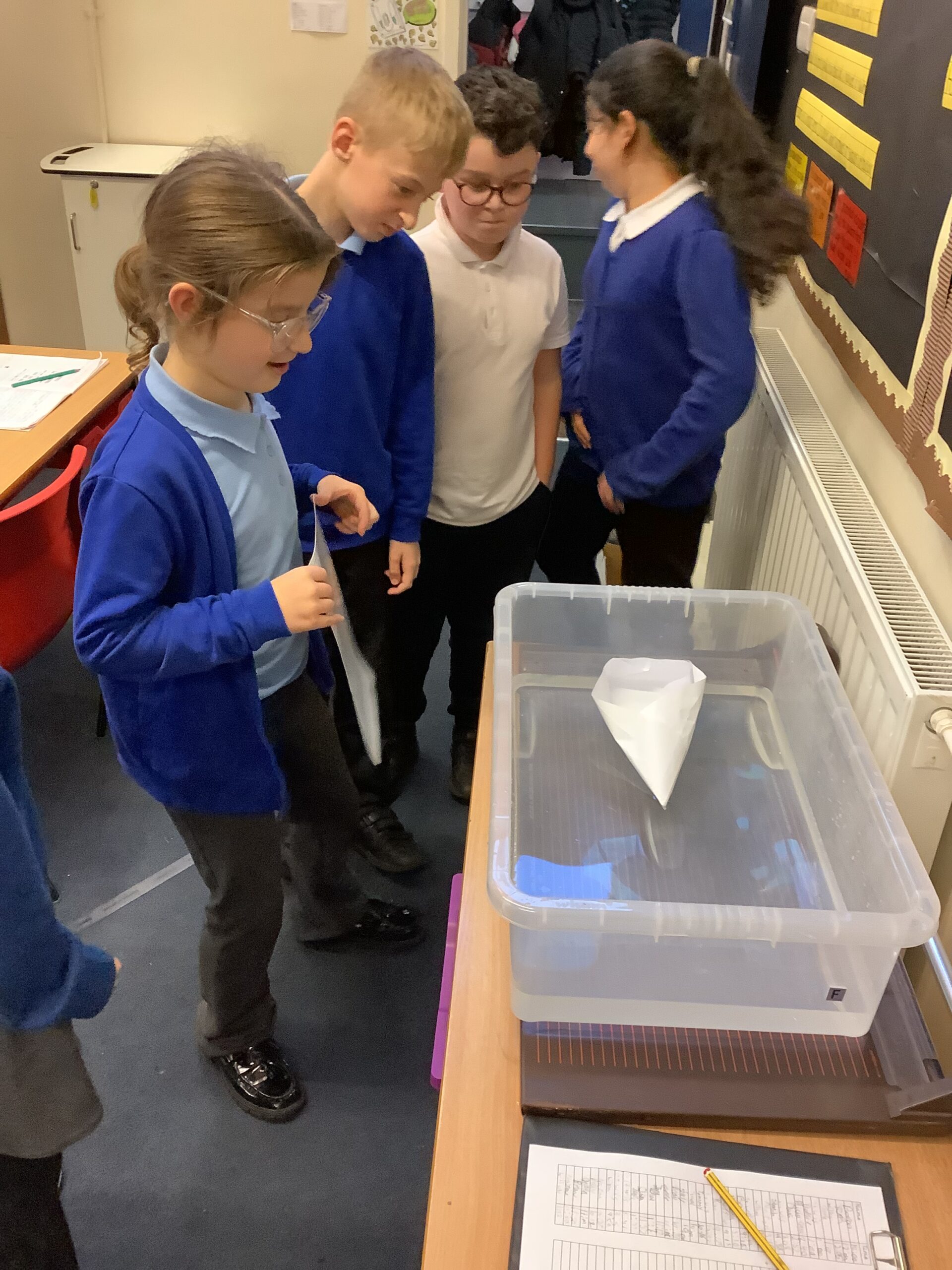
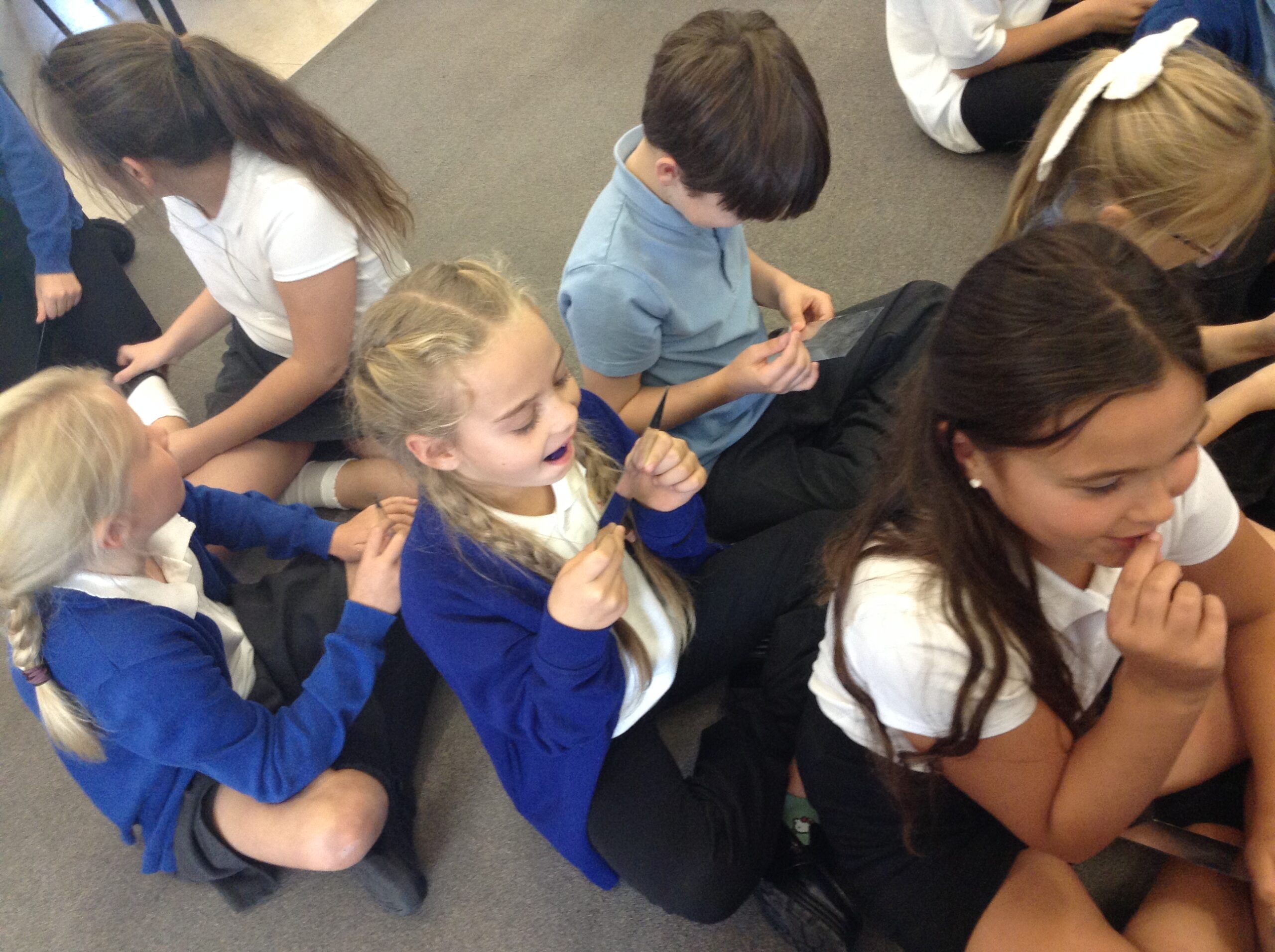
At Priory Lane Community School, we are all scientists!
Our Approach
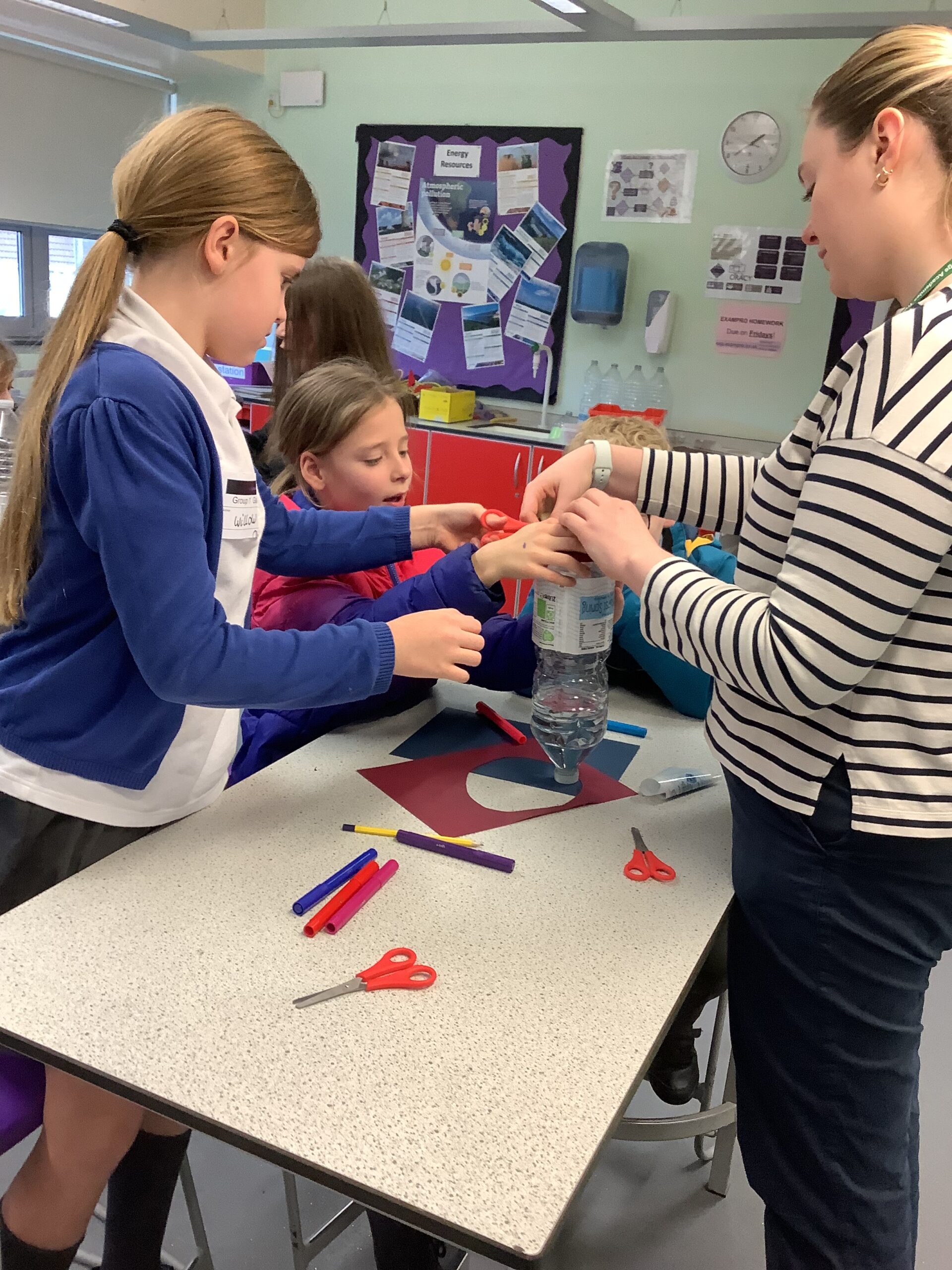
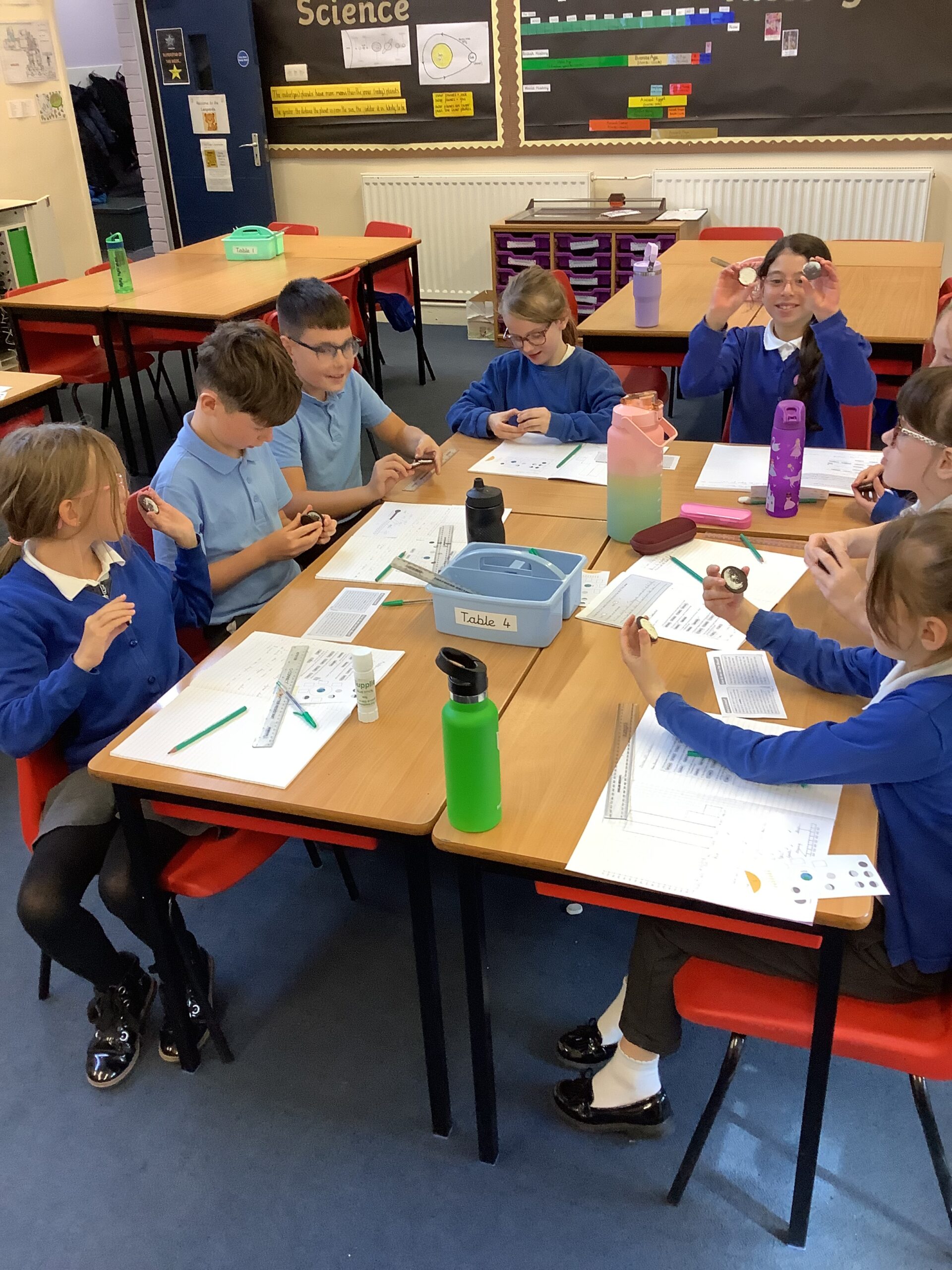
Our science curriculum is delivered through the Science Mastery programme from Year 1 to Year 6.
Through this programme, pupils develop the knowledge they need to explore, understand, and explain the world around them. They also build important scientific skills, learning how to ask questions, carry out investigations and make sense of their findings. This helps them understand how science works and how it is used in everyday life.
Our Aims
Our Science curriculum aims to equip pupils with both the knowledge and skills needed to understand how science is used, its limitations, and its impact now and in the future.
To achieve this, the curriculum develops two key types of knowledge:
- Substantive knowledge: the core content of science (concepts, models, laws, and theories)
- Disciplinary knowledge: how science works (the scientific method—how evidence is gathered, tested, and evaluated)
The curriculum is carefully structured so that pupils learn scientific facts alongside an understanding of how those facts were established. By combining these two strands, pupils gain a deeper understanding of science, can explain how knowledge is developed, and begin to make connections across topics.
This integrated approach helps build strong scientific understanding and prepares pupils for further study at secondary level and beyond.
Substantive Knowledge
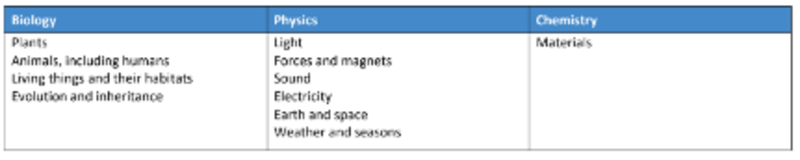
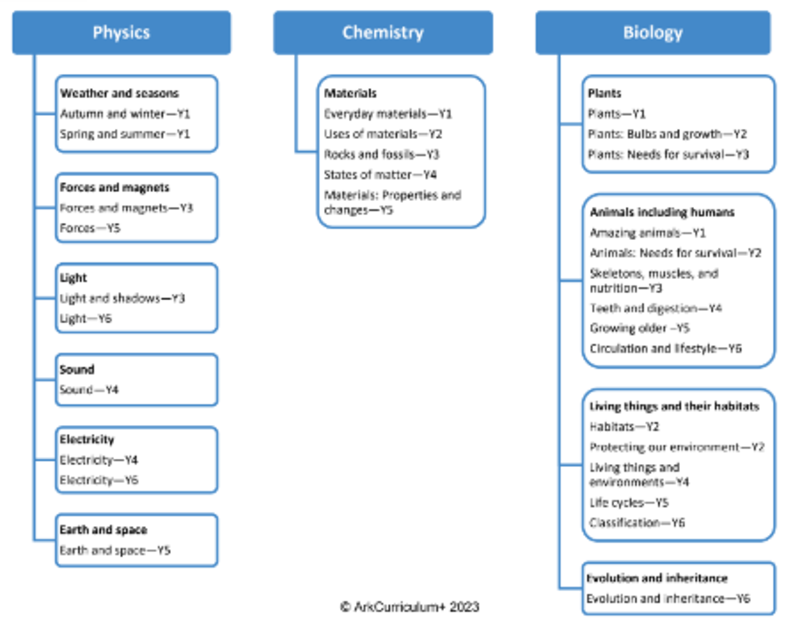
Substantive scientific knowledge is generally divided into three subject strands—Biology, Physics, and Chemistry. However, this distinction is not used in the National Curriculum until Key Stage 3. Therefore, individual topic names (as stated in the National Curriculum) are used in the progression map below.
Disciplinary Knowledge
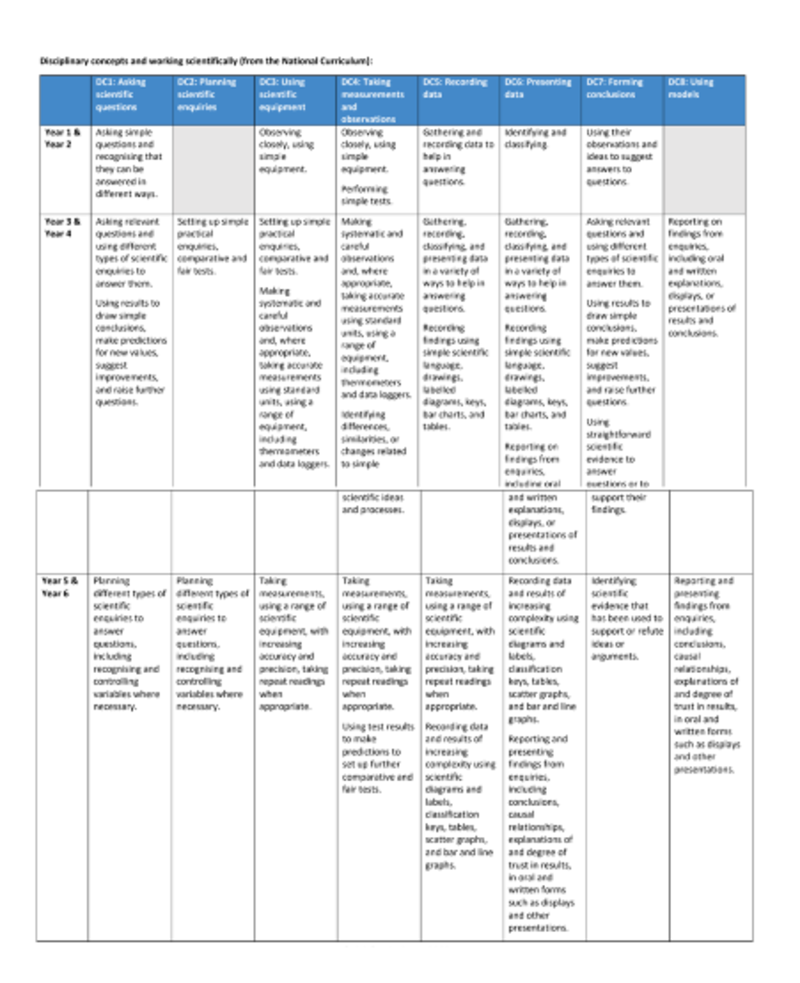
Disciplinary knowledge is referred to as ‘Working Scientifically’ in the National Curriculum programmes of study. This strand outlines pupils’ understanding of the nature, processes, and methods of science, specifying what should be developed at each year group. It includes engaging pupils with a range of scientific enquiries and equipping them with the skills to carry out practical investigations. Additionally, it supports pupils in understanding how scientific knowledge is developed, evaluated, and revised over time. Within the Ark Curriculum Plus science curriculum, Working Scientifically is fully integrated with substantive knowledge, reflecting best practice in the design of effective science curricula.
The disciplinary concepts we focus on in KS1 and KS2 are:
DC1: Ask relevant questions and use different types of scientific enquiries to answer them.
DC2: Plan simple scientific enquiries.
DC3: Use a range of equipment.
DC4: Make careful observations.
DC5: Record findings using simple scientific language, drawings, and labelled diagrams.
DC6: Present data.
DC7: Use results to draw simple conclusions and make predictions. Report on findings from enquiries, including oral and written explanations.
DC8: Use models to represent a scientific concept or process.
Our Curriculum
The following outlines the curriculum content and schedule for each year group across the academic year.
|
Year Group |
Unit 1- Autumn 1 |
Unit 2 – Autumn 2 |
Unit 3- an in-depth study. Spring term |
Unit 4- Summer 1 |
Unit 5- Summer 1 |
|
Year 1 |
Everyday Materials |
Autumn and Winter |
Amazing Animals |
Spring and Summer |
Plants |
|
Year 2 |
Everyday Materials |
Animals: Needs for survival. |
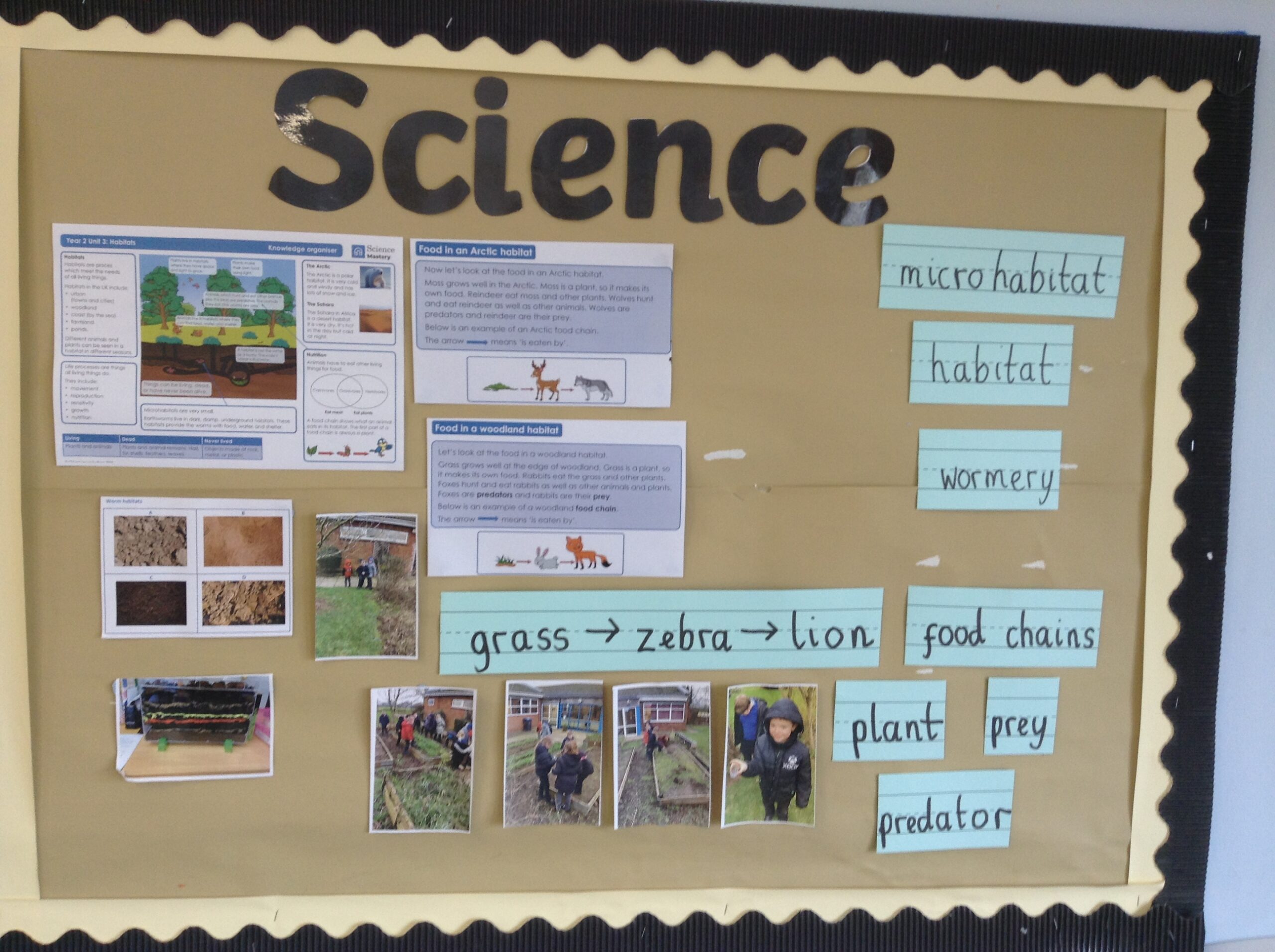
Habitats |
Protecting our environment. |
Plants |
|
Year 3 |
Skeletons, muscles and nutrients. |
Rocks and Fossils |
Light and Shadows |
Plants: Needs for survival |
Forces and Magnets |
|
Year 4 |
Teeth and Digestion |
States of Matter |
Living things and Environments. |
Sound |
Electricity |
|
Year 5 |
Earth and Space |
Forces |
Materials (properties and changes) |
Life Cycles |
Growing Older |
|
Year 6 |
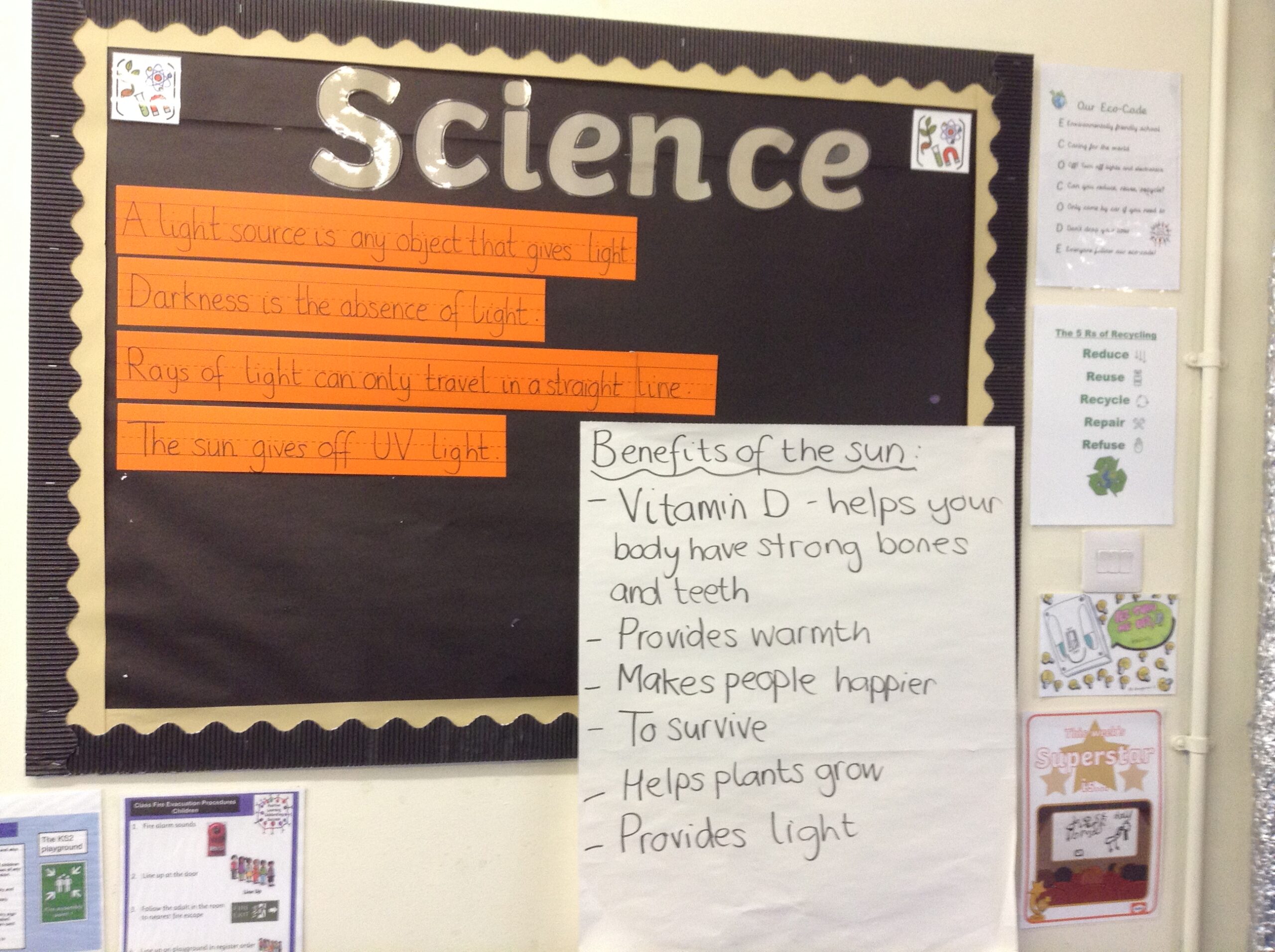
Light |
Classification |
Evolution and inheritance. |
Electricity |
Circulation and lifestyle |
Early Years Foundation Stage
The Key Stage 1 and Key Stage 2 curriculum builds on the National Curriculum framework for Early Years Foundation Stage, especially the area of learning and development ‘Understanding the World’. The framework gives three Early Learning Goals for this section. The goal below provides pupils with a strong foundation on which to build on their science knowledge and skills:
- The Natural World
ELG Description:
Children know about the natural world, including animals, plants, materials, and phenomena. They make observations, ask questions, and show curiosity about how things work.
How it feeds into Key Stage 1 & 2 science:
- KS1: Builds foundations for topics like plants, animals, seasonal changes, everyday materials, and habitats.
- KS2: Prepares pupils for more complex biology topics such as life cycles, classification, human biology, ecosystems, and environmental science.
- Skills: Observation, recording findings, noticing patterns, asking scientific questions, and making predictions.
- People, Culture and Communities
ELG Description:
Children understand people, communities, and traditions. They begin to recognize similarities and differences in their own and others’ experiences.
How it feeds into Key Stage 1 & 2 science:
- KS1: Supports scientific enquiry into humans, senses, and everyday materials, understanding human impact on the environment.
- KS2: Links to human biology, health and nutrition, and environmental studies, as well as ethical considerations in science.
- Skills: Comparing, describing, and discussing how humans interact with the natural world.
- Past and Present
ELG Description:
Children know about past and present events in their own lives and the lives of people around them. They can identify changes over time.
How it feeds into Key Stage 1 & 2 science:
- KS1: Introduces change over time concepts, supporting understanding of plant growth, animal development, seasonal cycles, and simple experiments.
- KS2: Develops understanding of evolution, adaptation, historical scientific discoveries, and the impact of science and technology over time.
- Skills: Observing change, sequencing events, identifying cause and effect, and linking evidence to explanation.